
Food Photography That Sells: A Guide for Phuket Restaurants
Food photography that drives bookings and orders for Phuket restaurants — what separates images that sell from ones that just look nice.
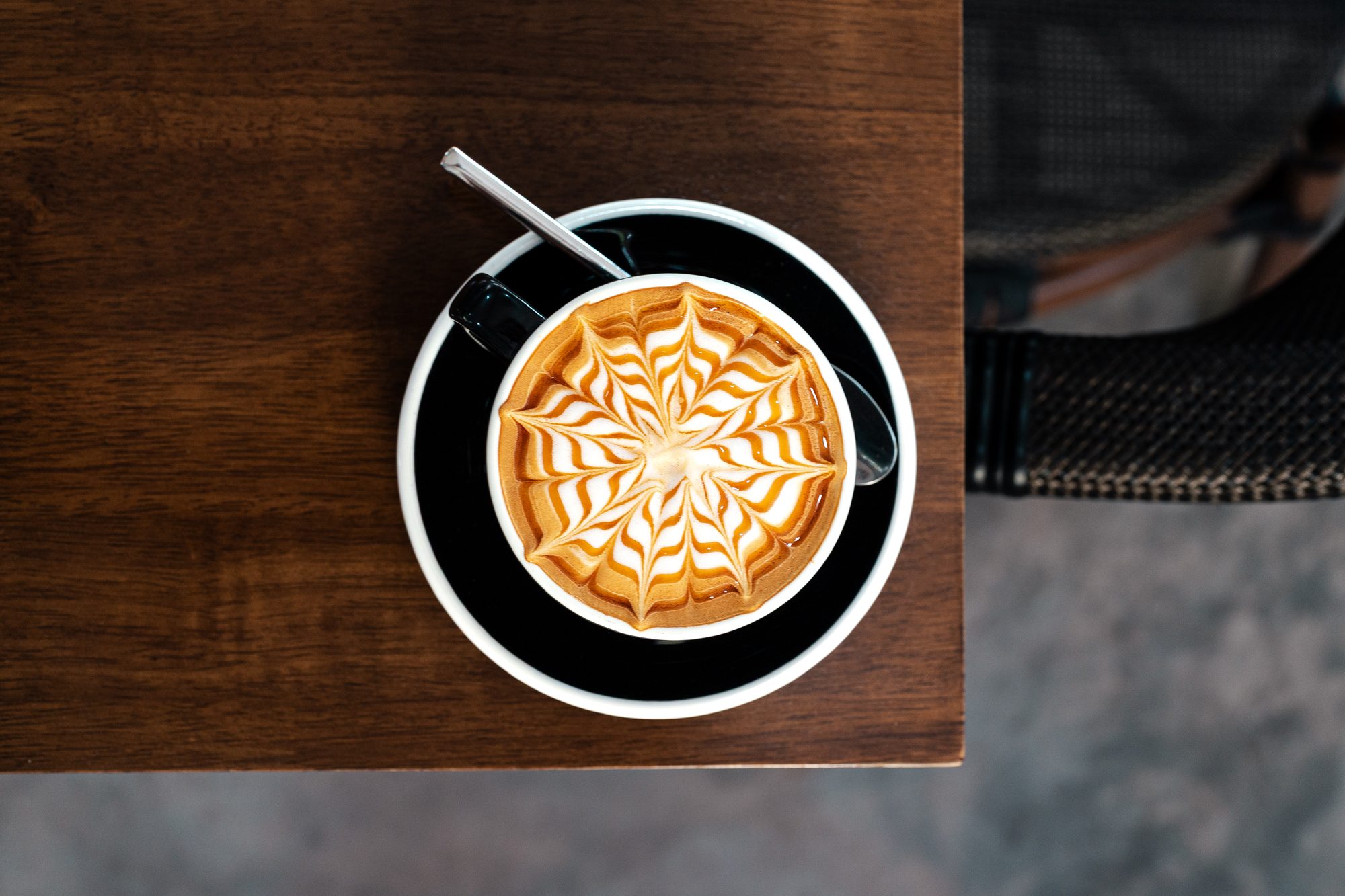
Good food photography in Phuket isn’t about making a plate look pretty. Plenty of pretty food photos do absolutely nothing. The job is making someone hungry enough to book a table or hit order — and that’s a different skill. Here’s what actually separates the images that sell from the ones that just sit there.
Sell the craving, not the plate
The mistake most restaurants make is photographing the dish like a catalogue product — dead centre, evenly lit, from above. Technically fine. Emotionally flat.
Food that sells looks like food you want to eat right now. That means the melt, the steam, the pour, the pull-apart. Catch it at its best moment — the cheese still stretching, the sauce still glossy — and you’re selling the craving, not the ingredients list.
Light is everything
If there’s one thing that quietly ruins restaurant photos, it’s bad light. Harsh overhead lighting flattens everything and turns warm food grey.
Soft, directional light — window light is your friend — gives food shape and texture. You want to see the crisp edge, the glisten, the depth. Get the light right and honestly, you’re most of the way there before the camera even comes out.
Style it like someone’s about to sit down
The best food shots don’t look staged, they look lived in — like a real table, mid-meal. A hand reaching in, a glass half-poured, a couple of props that hint at the setting without cluttering it. It gives the viewer a place to imagine themselves. That’s the whole trick: they’re not buying the burger, they’re buying the version of themselves eating it.
You can see the approach in our Creme set — the point was never a perfect plate in a void, it was the feeling of actually being in the room.
Shoot for where it’s going to live
A photo built for a menu and a photo built for Instagram are not the same photo. Menus want clean, appetising, consistent. Instagram wants movement, mood, thumb-stopping energy — and increasingly, video over stills.
Before a shoot, know where each shot is going to end up. A good session gives you both in one hit: the tidy hero shots for your site and menu, plus the loose, feed-native stuff for social. Planning that up front is the difference between one useful shoot and three scattered ones.
Don’t sleep on video
A still can look delicious. A well-cut clip of the same dish — the pour, the sizzle, the first cut — is on another level for making people hungry. For restaurants and cafes especially, short video is doing more heavy lifting on social than any single photo. If your budget only stretches one way right now, a small batch of great food clips will usually outwork a big folder of stills.
Consistency is a brand, too
One great photo is nice. A whole feed that looks like it came from the same place is a brand. Same tone, same light, same energy across everything — that’s what makes a cafe feel considered and worth the premium. Random, mismatched food photos do the opposite, no matter how good any single one is.
The short version
Food photography that sells is less about the plate and more about the appetite. Catch the dish at its best moment, light it properly, style it like a real table, and shoot with the platform in mind. Do that consistently and your photos stop being decoration and start being one of your best salespeople.
If you run a restaurant or cafe on the island and your current photos aren’t pulling their weight, get in touch — we do this for a living and we’d love to help.